
Your clutch is one of the hardest-working components in your car. When it starts to fail, the signs are usually gradual — but ignoring them leads to more expensive damage and, eventually, a car that cannot be driven at all. This guide explains everything you need to know about clutch replacement in Mansfield, from the early warning signs to what the job actually involves and what it costs.
Quick Answer: How Much Does Clutch Replacement Cost in Mansfield?
We price clutch work per vehicle rather than publishing a figure. Clutch kits vary enormously between a small hatchback and a van, parts prices move constantly, and whether the dual mass flywheel needs doing at the same time changes the job completely. Ring us on 01623 904724 or message us with your registration and we will price your vehicle properly.
Contents
- What does a clutch actually do?
- Signs your clutch needs replacing
- Clutch replacement costs in Mansfield
- What happens during a clutch replacement?
- How long does clutch replacement take?
- Dual mass flywheel: do you need to replace it too?
- Can you drive with a slipping clutch?
- Book your clutch replacement in Mansfield
- Frequently asked questions
What Does a Clutch Actually Do?
The clutch sits between the engine and the gearbox. Its job is to connect and disconnect the two so you can change gear smoothly without stalling or grinding. When you press the clutch pedal, a friction disc disengages from the flywheel, breaking the connection between the engine and the drivetrain. When you release the pedal, the disc re-engages, transferring power back to the wheels.
A standard clutch kit has three main components: the clutch plate (or friction disc), the pressure plate, and the release bearing. All three wear over time, and when any one of them fails, the whole system needs attention. The flywheel — which the clutch disc presses against — can also wear or warp, and is usually inspected at the same time.
Most modern diesel vehicles, and many petrols, use a dual mass flywheel rather than a solid one. This absorbs vibration from the engine more effectively but also wears over time and often needs replacing alongside the clutch.
Signs Your Clutch Needs Replacing
Clutch wear is gradual, which means drivers often adjust to small changes without realising the system is failing. These are the most common signs that a clutch replacement is needed.
Slipping clutch
If the engine revs rise sharply but the car does not accelerate at the same rate, the clutch is slipping. This is most obvious when pulling away uphill or under load. A slipping clutch means the friction disc can no longer grip properly. Once this starts, it will not improve on its own — it will only get worse.
Difficulty engaging gears
If you find it hard to select gears, or the gearbox feels notchy and resistant, the clutch may not be disengaging fully. This can indicate a problem with the hydraulic system, the release bearing, or the clutch plate itself. Left unaddressed, it puts strain on the gearbox and can cause wider damage.
Biting point feels very high or has moved
If the clutch bites near the top of the pedal travel, or if the biting point has changed noticeably over recent weeks, the friction material is wearing down. This is one of the earlier signs and gives you more time to plan the repair rather than dealing with an urgent breakdown.
Burning smell when pulling away
A sharp, acrid smell after starting from a standstill — especially on hills or when towing — often indicates clutch slippage generating heat. This is the friction material burning off. If you notice this, avoid unnecessary clutch use and book an inspection promptly.
Clutch pedal feels spongy or vibrates
A spongy clutch pedal can indicate a hydraulic fault — often a failing clutch master cylinder or slave cylinder. Vibration through the pedal when engaging the clutch is more often associated with a worn or damaged dual mass flywheel. Both warrant a proper diagnosis before any parts are ordered.
Rattling or rumbling on the overrun
If you hear a rattling noise when the car is in neutral or coasting — particularly at low speeds — this is a common indicator of dual mass flywheel wear. The internal springs inside the flywheel break down over time and make a distinctive rattle when there is no load on the drivetrain.
Clutch Replacement Costs in Mansfield
Clutch replacement costs vary quite a bit depending on the vehicle. Labour is the biggest factor, since accessing the clutch requires removing the gearbox — a job that takes several hours even on straightforward cars. Here is a general guide to what you can expect.
What Actually Decides the Price
- The vehicle. A small hatchback clutch and a Transit clutch are different jobs and different parts.
- Whether the dual mass flywheel goes with it. If the flywheel is worn, doing the clutch alone means paying for gearbox removal twice.
- Access. Some gearboxes come out in a couple of hours, others need subframes and driveshafts out first.
- Parts availability. What we can get hold of that week genuinely affects the price.
- What else we find. Slave cylinders, release bearings and rear main seals are worth doing while the box is out.
These are guide prices. The actual cost depends on the specific vehicle, the parts required, and whether additional components such as the flywheel or hydraulic system need attention. At Star Garage Mansfield, we always confirm costs before any work begins.
At Star Garage Mansfield we use quality parts that match manufacturer specifications. We do not use the cheapest available option — poor quality clutch components can fail prematurely and cause gearbox damage, which costs far more to repair than a proper clutch job done correctly the first time.
What Happens During a Clutch Replacement?
Clutch replacement is one of the more involved jobs on a car, but it follows a well-established process. Here is what happens when you bring your vehicle to Star Garage Mansfield for clutch work.
Initial inspection and confirmation
We begin with a full diagnostic inspection to confirm that the clutch is the root cause of the symptoms. This matters because some clutch-like symptoms — spongy pedal, difficulty engaging gears — can have hydraulic causes that do not require a full clutch replacement. We confirm the fault before recommending any parts.
Gearbox removal
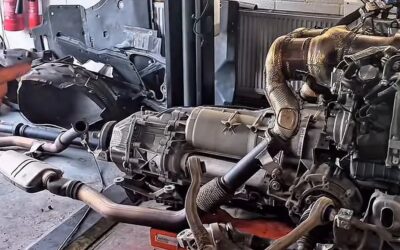
To access the clutch, the gearbox has to come out. On most front-wheel-drive cars, this means disconnecting the driveshafts, unbolting the gearbox mounts, and carefully lowering or removing the unit. On rear-wheel-drive or four-wheel-drive vehicles, the process differs but the principle is the same — access is required to the bell housing where the clutch sits.
Clutch inspection and replacement
Once the gearbox is removed, the clutch assembly becomes accessible. We inspect all three clutch components — the friction disc, pressure plate, and release bearing — alongside the flywheel surface. If any component shows significant wear or damage, it is replaced. We always recommend replacing the full clutch kit as a set rather than individual parts, since worn components deteriorate together.
Flywheel inspection or replacement
The flywheel surface is inspected for scoring, heat marks, or warping. On solid flywheels, light scoring can sometimes be machined out, but if the damage is significant, replacement is the safer option. Dual mass flywheels cannot be machined — they are either serviceable or they are not, and replacing them while the gearbox is already out saves significant labour cost compared to doing the job separately later.
Reassembly and road test
Once the new components are fitted, the gearbox is reinstalled and the hydraulic system is bled where necessary. We then carry out a road test to confirm the clutch is engaging and releasing correctly, the biting point feels right, and there are no leaks or noises that suggest any issues with the installation.
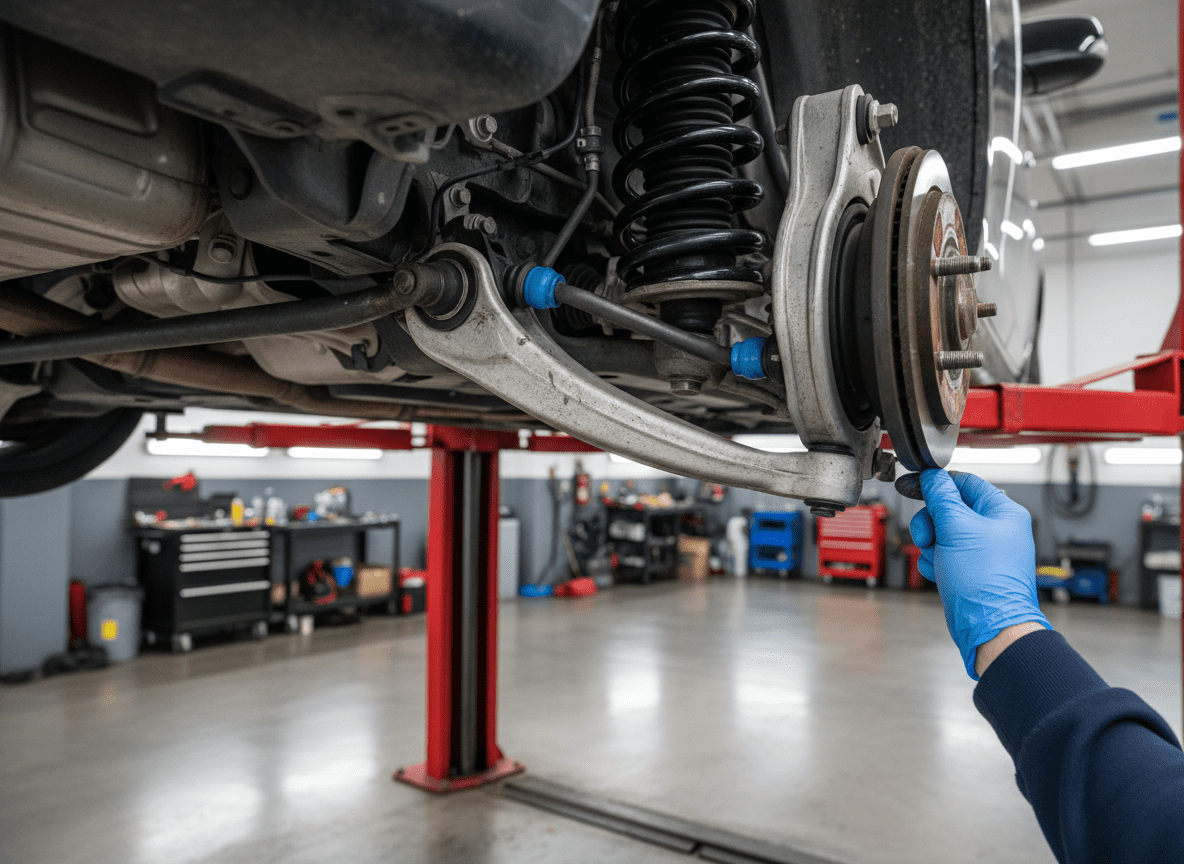
Watch: Liam replacing the clutch on a Vauxhall Mokka in our workshop.
How Long Does Clutch Replacement Take?
A standard clutch replacement on a typical front-wheel-drive car takes between four and six hours. On more complex vehicles — those with four-wheel drive, transverse-mounted engines with tight access, or specialist gearbox designs — the job can take longer.
If the flywheel also needs replacing, that adds time, but since the gearbox is already out, the additional work is relatively modest compared to what it would cost to remove the gearbox a second time at a later date. We always advise checking and replacing the flywheel at the same time as the clutch where there is any doubt about its condition.
We aim to complete most clutch jobs within a single day. We will confirm the expected turnaround when you book and let you know promptly if anything unexpected is found during the job.
Dual Mass Flywheel: Do You Need to Replace It Too?
Many modern diesel cars — and an increasing number of petrol vehicles — use a dual mass flywheel (DMF) rather than a solid one. The DMF uses internal springs to absorb the rotational pulses from the engine, which reduces vibration and makes the drivetrain feel smoother.
The problem is that these springs wear out over time. When they do, the flywheel develops free play — you may notice a rattle when the engine is running at idle, particularly when coasting or coming to a stop. Driving on a worn DMF puts extra stress on the gearbox and transmission components.
DMFs cannot be reconditioned or machined like solid flywheels. Once worn, they need to be replaced. Since the gearbox has to come out to replace the clutch anyway, replacing a worn DMF at the same time is strongly advisable. Doing it as a separate job later would mean removing the gearbox again and paying the full labour cost a second time.
Our advice: If your vehicle uses a dual mass flywheel and the clutch is being replaced, always have the DMF inspected. If there is any play or rattling, replace it at the same time. The extra cost is far less than the cost of a second gearbox removal job down the line.
Can You Drive with a Slipping Clutch?
In theory, a mildly slipping clutch will still allow you to drive, but it is not advisable to continue using the vehicle beyond what is necessary to get it to a garage. Here is why.
First, a slipping clutch will continue to deteriorate. The friction material burns off progressively, and the harder you drive — particularly under load or on hills — the faster it wears. What starts as mild slippage becomes complete clutch failure within a relatively short time.
Second, the heat generated by a slipping clutch can damage the flywheel surface, turning what might have been a straightforward clutch replacement into a job that also requires a new flywheel. In vehicles with dual mass flywheels, excessive heat can accelerate DMF wear significantly.
Third, complete clutch failure can leave you unable to move the vehicle, particularly in heavy traffic or on an incline. If you are noticing any of the warning signs described above, book an inspection as soon as practical rather than waiting for the situation to become urgent.
You can read more about our diagnostic approach on the car diagnostics page. For general clutch-related repairs, see our general repairs page.
Book Your Clutch Replacement in Mansfield
If your clutch is slipping, the biting point has changed, or you are hearing unusual noises from the drivetrain, do not leave it. Get it properly diagnosed before the damage spreads.
📞 01623 904724 — Star Garage Mansfield, 2 Warsop Road, Mansfield Woodhouse, NG19 9LF
Monday to Friday, 8:30am–6:00pm
Also Covering Worksop, Chesterfield & Nottingham Drivers
Star Garage Mansfield serves drivers from across the region. If you are coming in for clutch replacement from Worksop, Chesterfield, or Nottingham, you can find location-specific information on our Worksop repairs page and our Mansfield repairs page. We aim to make the process as straightforward as possible, with clear costs agreed before any work starts.
Frequently Asked Questions
How do I know if my clutch needs replacing or just adjusting?
Modern hydraulic clutches are self-adjusting, so there is no manual adjustment available. If the symptoms are present — slipping, high biting point, difficulty selecting gears — the mechanical components need attention. A diagnostic inspection will confirm the extent of the wear.
Can I replace just the friction disc and not the full kit?
It is possible, but rarely advisable. Since the gearbox has to come out anyway, replacing the full clutch kit (friction disc, pressure plate, and release bearing) costs only marginally more in parts. Leaving worn components in place risks another gearbox removal job sooner than necessary.
Does a new clutch need to be run in?
Yes. Avoid aggressive use for the first few hundred miles. Avoid riding the clutch, feathering it unnecessarily, or pulling away harshly on hills. This lets the new friction material bed in properly and extends the life of the replacement.
How long should a clutch last?
Typically 60,000 to 100,000 miles, though this varies significantly with driving style. Town driving with frequent stop-start use wears a clutch faster than motorway driving. Towing and driving in hilly areas also accelerates wear.
Is clutch replacement covered by warranty?
Clutch components are generally classed as wear items and are not usually covered by manufacturer warranties. Extended warranties vary — check your specific policy. We offer a warranty on all parts and labour we supply.
Need this looked at?
Describe the symptom and we’ll tell you whether it needs a diagnostic slot or a straight booking.
- 5.0 from 235 Google reviews
- Mon–Fri 08:30–18:00
- 2 Warsop Road, Mansfield Woodhouse