
Walnut blasting · Mansfield Woodhouse
Walnut Blasting in Mansfield
Rough idle, hesitation, a car that just feels flat? On a lot of modern engines the cause is hard carbon baked onto the intake valves, and we remove it by walnut blasting.
Crushed walnut shell is hard enough to strip stubborn carbon from the intake ports and valves, but soft enough not to damage the metal underneath. It’s a service we’ve offered for a while, and it’s one most drivers have never heard of.
Walnut blasting Mansfield
What walnut blasting is, and why your engine might need it
On an older petrol engine with port injection, fuel is sprayed onto the back of the intake valves. The fuel and its detergents wash those valves on every intake stroke, so they largely keep themselves clean.
Direct injection moved the injector into the combustion chamber. That’s good for efficiency, but it means fuel never touches the intake valves any more. What does reach them is oil mist from the crankcase ventilation system and, on many engines, exhaust gas from the EGR system. It lands on hot valves, bakes on, and builds up layer by layer into hard carbon.
That carbon restricts and disturbs the air going into each cylinder, and the engine stops breathing the way it was designed to.
Walnut blasting is the mechanical fix. Crushed walnut shell is blown into each intake port and vacuumed back out, chipping the carbon away until the valve and port are clean again.
Why not just use an additive? On a direct-injection engine the fuel never reaches the intake valves, so a fuel-tank cleaner can’t either. Induction sprays can help with a light film, but they don’t shift hard, baked-on carbon.
From our workshop
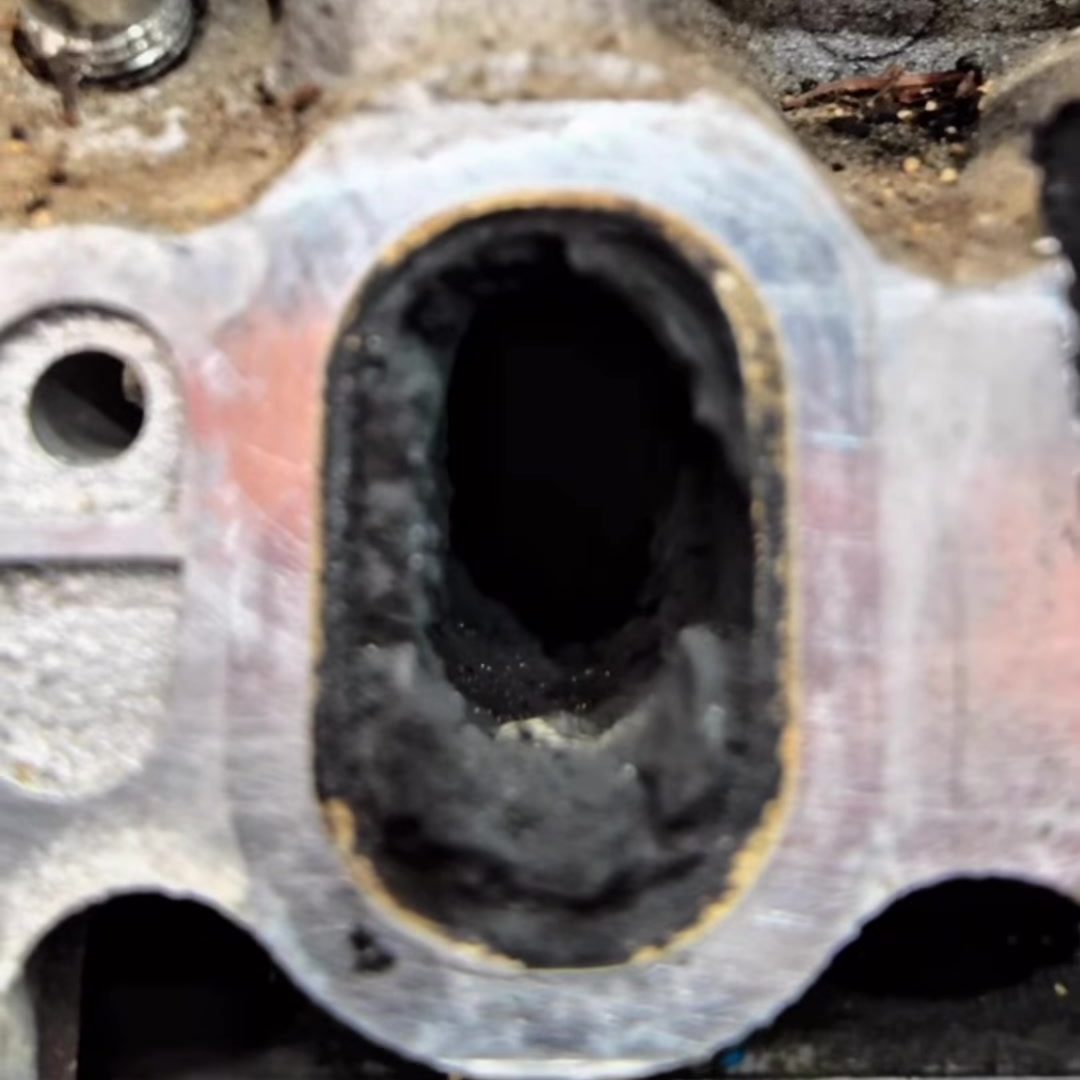
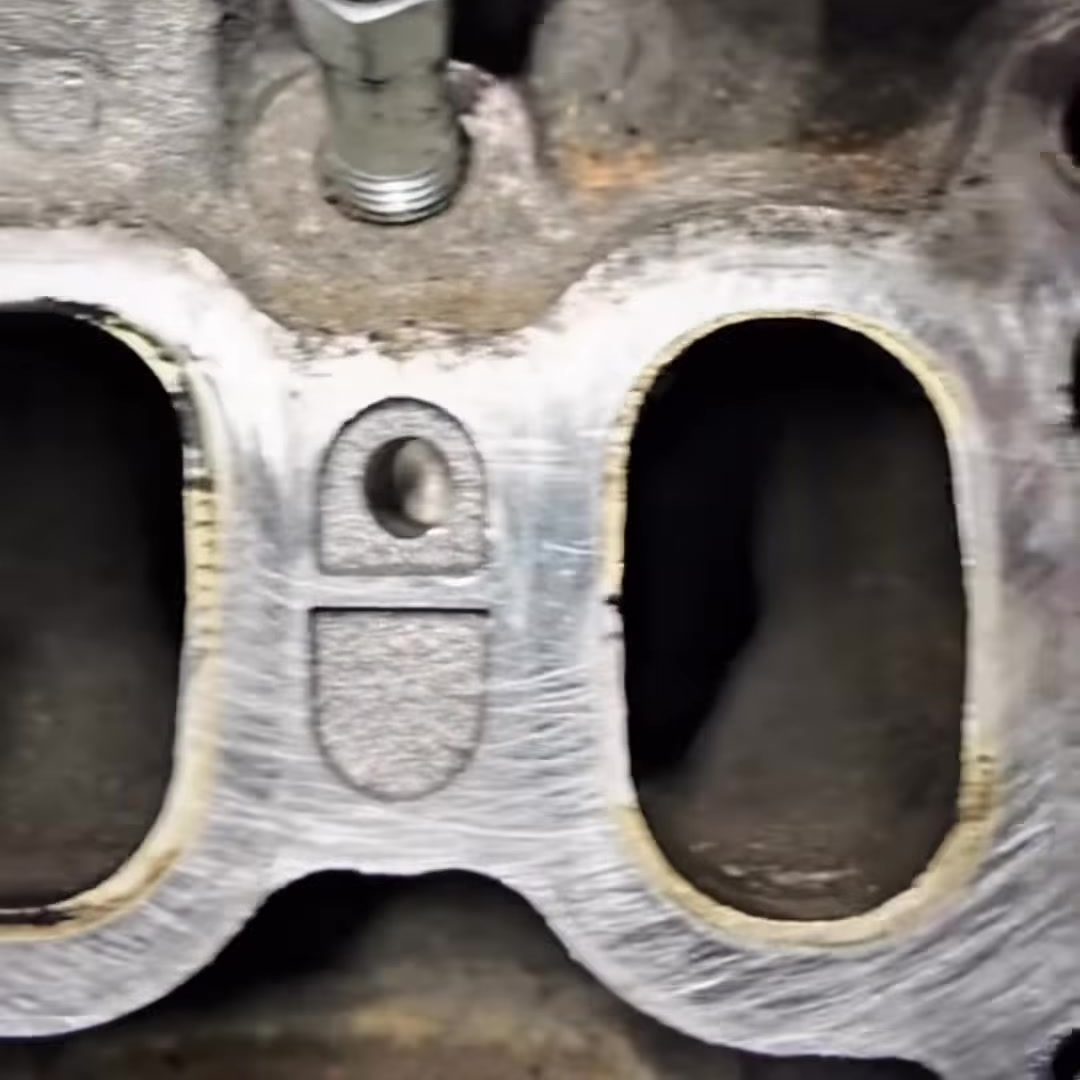
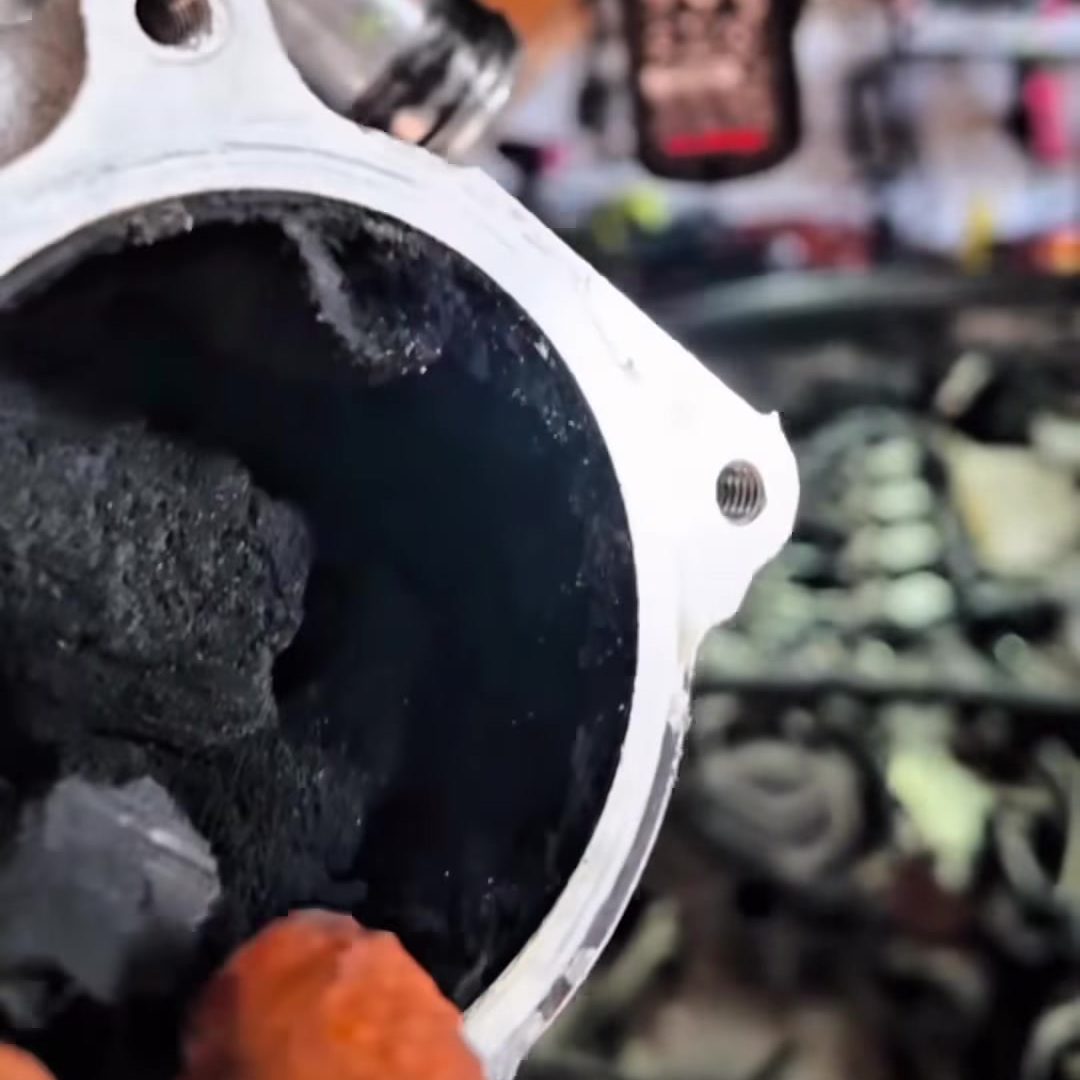
Before and after: a Mazda 2.2 SKYACTIV
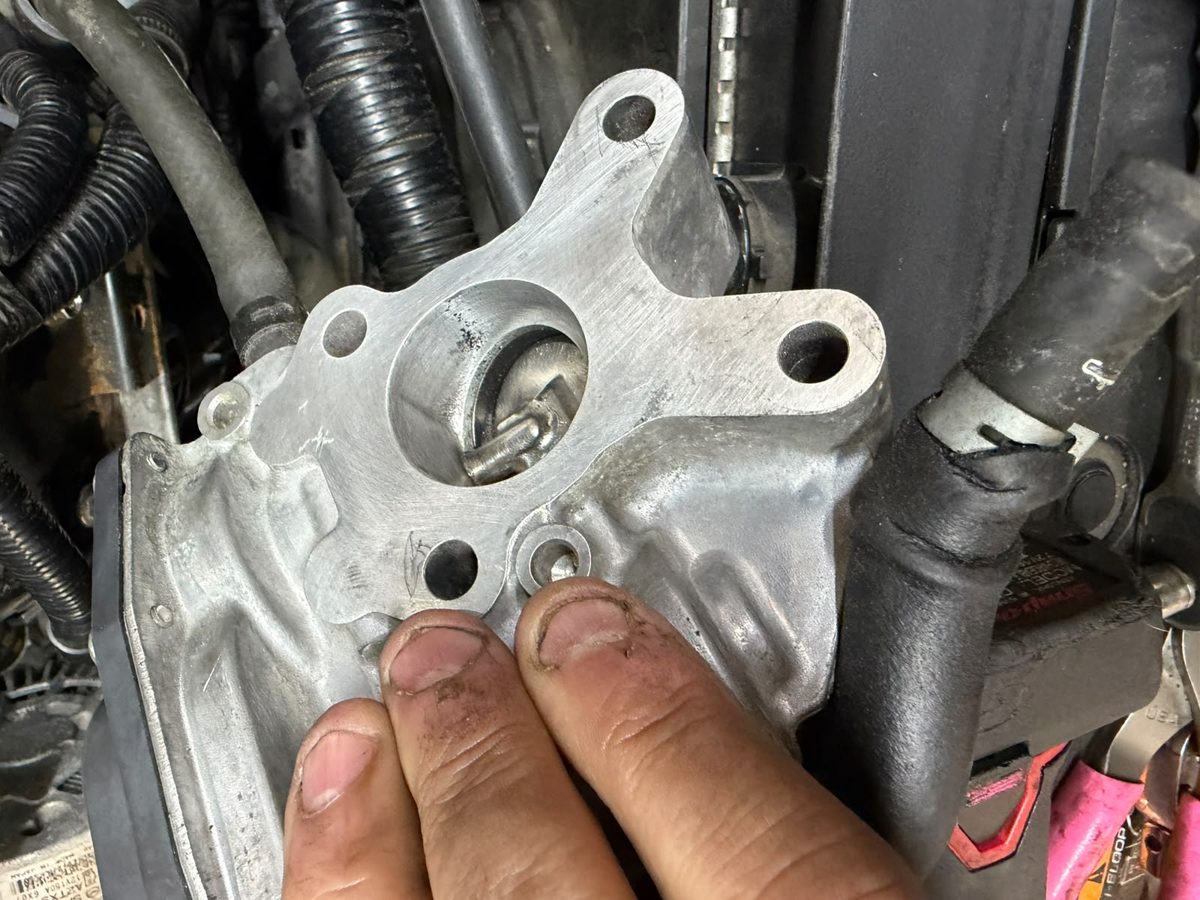
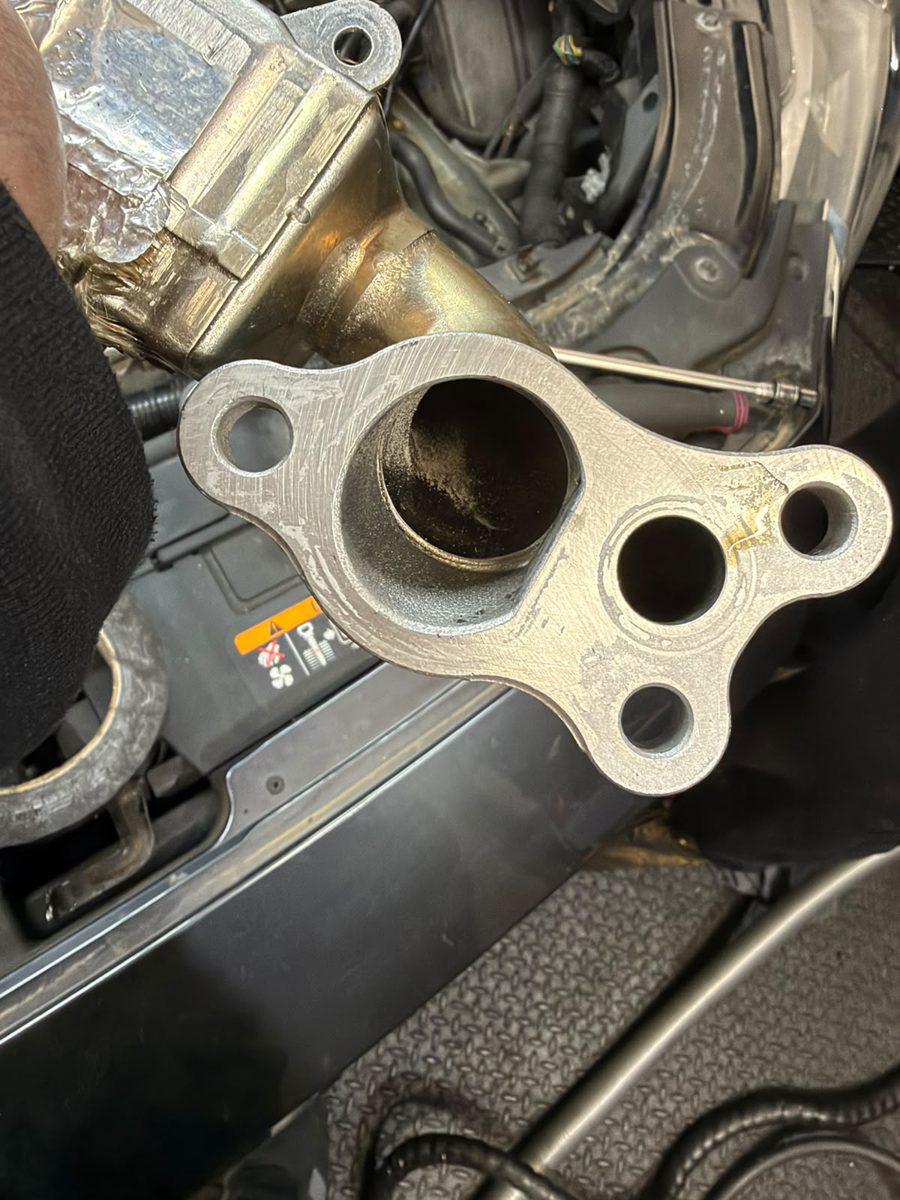
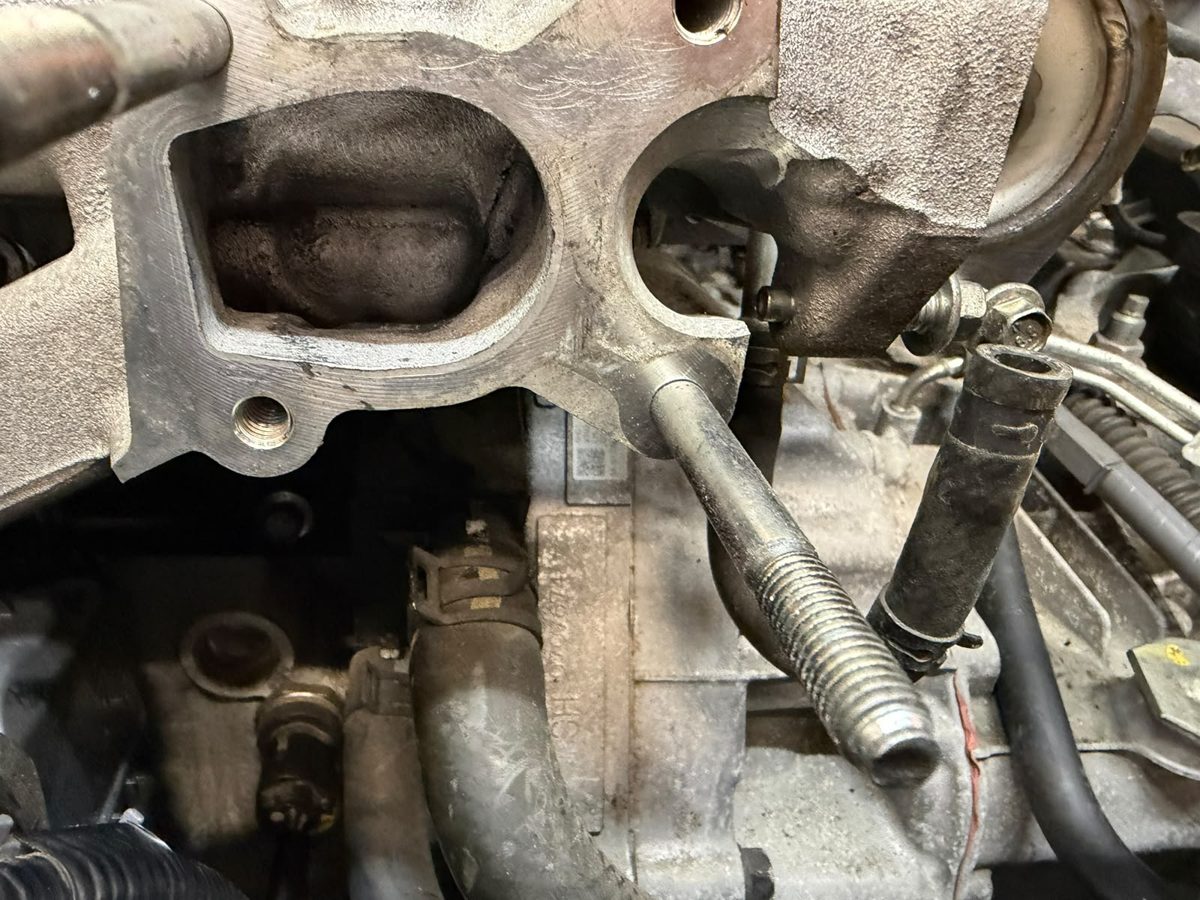
This Mazda came in with heavy carbon build-up that was restricting airflow and affecting how the engine performed. We stripped the intake side down, cleaned the EGR and intake parts, and walnut blasted the intake ports in the cylinder head. The video above shows the whole job.
Signs of carbon build-up
Symptoms that can point to intake carbon
Carbon build-up rarely announces itself with a warning light. It creeps in gradually, so a lot of owners get used to the car feeling a bit worse every month. These are the signs we look out for.
Rough or lumpy idle
Usually worst in the first minute after a cold start, when the engine is least tolerant of a poor mixture.
Misfire fault codes
Deposits never build evenly, so misfire codes often keep coming back on the same cylinders, even after new plugs or coils.
Hesitation and flat spots
Poor throttle response and stumbling when you pull away or accelerate gently.
Loss of power and economy
The engine can’t draw in as much air, so it feels down on power and fuel economy slips with no other obvious cause.
These symptoms have other causes too. Worn spark plugs, failing coil packs, a leaking injector, a vacuum leak or a faulty crankcase breather can all feel the same from the driver’s seat. That’s why we start with proper diagnostics rather than quoting for a blast straight away.
Which cars
Engines that are known for intake carbon
Almost any direct-injection engine can build up carbon given enough miles, but some engine families have a reputation for it. If yours is on this list and showing the symptoms above, it’s worth a look.
VW Group TSI & TFSI
Direct-injection petrol engines across VW, Audi, SEAT and Skoda, with the earlier EA888 2.0 turbo engines particularly known for it.
BMW & MINI
BMW’s direct-injection petrol engines such as the N20, N54 and N55, and the N14 and N18 engines used in MINI Cooper S models.
Mercedes-Benz
Four-cylinder direct-injection petrol engines including the M270 and M274 family.
Diesels too
Diesel intakes can clog with carbon as well. We walnut blast the Mazda 2.2 Skyactiv-D, and our write-up explains why that engine suffers.
Mazda 2.2 carbon build-upSome newer engines use both port and direct injectors, and the port injectors keep the valves much cleaner. If your car has one of those, carbon is less likely to be the answer, and we’ll tell you so.
How it works
How we walnut blast an engine
-
Diagnose first
We read the fault codes and live data and rule out the simpler causes of misfires and rough running before anything comes apart.
-
Look inside
With an inspection camera we can see how much carbon is actually on the valves, so you’re not paying for a clean the engine doesn’t need.
-
Strip the intake
The intake manifold comes off to open up the ports. On some engines other parts have to come off first, which is one reason the job varies from car to car.
-
Blast one cylinder at a time
The engine is turned so the valves being cleaned are closed. The port is sealed, then blasted with crushed walnut shell and vacuumed out until the carbon is gone.
-
Rebuild and check
Everything goes back together with new gaskets, and we check the car over and test it before it goes home.
How much does it cost?
Every engine is different. The price and the time it takes depend on the engine, how much has to come off to reach the ports and how heavy the build-up is. Message us your registration and we’ll give you a quote for your car.
Why Star Garage
Why have it done with us
We find the cause first
Carbon is one possible cause of rough running, not the only one. We diagnose before we recommend anything.
Done properly, in-house
The manifold comes off and each port is cleaned mechanically, on our own premises. No quick spray sold as a carbon clean.
Any other faults found
If we spot something else while the intake is apart, we’ll tell you before doing it. Our general repairs team can put it right at the same visit.
Questions
Walnut blasting questions we get asked
Is walnut blasting safe for my engine?
Yes, when it’s done properly. Crushed walnut shell is soft enough to leave the valves, seats and aluminium ports undamaged while removing the carbon, and the media is vacuumed out as each port is cleaned.
How do I know if my car needs it?
Rough idle, repeat misfire codes, hesitation and a loss of power on a direct-injection engine are the usual clues. The only way to be sure is to rule out other causes and look at the valves, which is what our diagnostics do.
Is it part of my car’s service schedule?
No. Manufacturers don’t list intake valve cleaning as routine maintenance. It’s done when the engine needs it, not at a set mileage.
Can a fuel additive do the same job?
Not on a direct-injection petrol engine. The fuel never touches the intake valves, so an additive in the tank can’t reach the carbon on them.
How much does walnut blasting cost?
It depends on the engine and how much build-up there is, so we quote per car. Send us your registration and we’ll come back to you with a price.
Can I stop the carbon coming back?
You can slow it down. Using oil that meets the manufacturer’s specification, keeping up with servicing and fixing a faulty crankcase breather all reduce the oil vapour reaching the valves.
Think your car could benefit? Send us the registration
Mon–Fri 08:30–18:00. 2 Warsop Road, Mansfield Woodhouse.