
The lambda sensor — also called the oxygen sensor or O2 sensor — is a small component in your exhaust system that does a surprisingly important job. It measures the oxygen content of the exhaust gases and feeds that data back to the engine management system in real time, allowing the ECU to balance the air/fuel mixture precisely.
When it fails, the ECU loses that feedback and switches to open-loop operation — essentially guessing the fuel mixture rather than measuring it. The results are predictable: worse fuel economy, rougher running, increased emissions, and eventually an MOT failure.
Lambda sensor faults are one of the most common reasons for an engine management light in modern UK cars. This guide covers the symptoms to look for, the fault codes involved, and what a replacement should cost.
Quick answer: Lambda sensor fault symptoms include an engine management light, poor fuel economy (5–10 mpg worse than usual), rough idle or hesitation, a rich fuel smell from the exhaust, and MOT emissions failure. A scan returns codes in the P0130–P0167 range. Replacement typically is priced on inspection at an independent garage.
Your car’s engine needs a precise ratio of air to fuel to run efficiently. The ideal is 14.7 parts of air to 1 part of fuel — known as the stoichiometric ratio or lambda 1. Too much fuel (rich mixture) wastes economy and increases emissions. Too little (lean mixture) risks overheating and engine damage.
The lambda sensor sits in the exhaust system and continuously measures the oxygen level in the exhaust gases. It sends a voltage signal to the ECU: low oxygen means the mixture is running rich, high oxygen means it is running lean. The ECU uses this feedback to trim fuelling dozens of times per second.
Most modern cars have two lambda sensors — one before the catalytic converter (upstream) and one after it (downstream). The upstream sensor manages the fuel mixture; the downstream sensor monitors catalytic converter efficiency.
Symptoms of a Faulty Lambda Sensor
Lambda sensor faults develop gradually in most cases. The ECU attempts to compensate for inaccurate readings, which is why fuel economy worsens slowly rather than all at once.
Engine management light
The most reliable early warning. When the lambda sensor signal falls outside expected parameters, the ECU logs a fault code and illuminates the EML. A scan with an OBD-II reader will identify a code in the P0130–P0167 range — the fastest way to confirm a lambda fault rather than guessing from symptoms alone.
Noticeably worse fuel economy
When the ECU loses accurate lambda feedback, it defaults to a richer mixture to protect the engine. This typically results in a 5–10 mpg reduction in real-world economy. Drivers often notice they are filling up more frequently before any dashboard warning appears.
Rough idle or hesitation under light throttle
Open-loop fuelling is less stable at idle and under light load. This can present as a slightly rough or hunting idle, or hesitation when pulling away gently. The symptoms are subtle and can resemble other faults, which is why a scan is more reliable than diagnosing from feel alone.
Rich fuel smell from the exhaust
A strong smell of unburned fuel from the tailpipe — particularly at idle or just after startup — suggests the engine is running excessively rich. A failed upstream lambda sensor is one of the more common causes.
Failed emissions test
A failing pre-cat lambda sensor is one of the most common reasons for MOT emissions failure in petrol cars. The compromised air/fuel ratio produces elevated CO and HC readings that exceed MOT test limits. The illuminated EML is also a major MOT defect in its own right.
Lambda Sensor Faults and MOT Failure

In the UK, MOT emissions limits for petrol cars are tight. For a catalytic converter-equipped petrol engine, the CO limit at idle is 0.3% and the lambda reading must be within 0.03 of 1.00. A failed upstream lambda sensor consistently pushes the CO reading above this limit.
According to MOT Checkup, a faulty pre-cat lambda sensor is among the most common technical causes of MOT emissions failure — and the fix is straightforward compared to the cost of a retest.
If your car recently failed its MOT on emissions and the catalytic converter has been checked, a lambda sensor replacement is usually the next step. A diagnostic scan will confirm whether a fault code is present before any parts are purchased.
Lambda Sensor Fault Codes
A basic OBD-II reader — available for under priced on inspection — will pull lambda-related codes in seconds. The most common families are:
| Code Range | Description |
|---|---|
| P0130–P0135 | Upstream (Bank 1) lambda sensor circuit faults — voltage low, high, or slow response |
| P0136–P0141 | Downstream (Bank 1) lambda sensor circuit faults |
| P0150–P0155 | Upstream (Bank 2) lambda sensor faults — V6/V8 engines |
| P0156–P0161 | Downstream (Bank 2) lambda sensor faults |
P0131 (upstream sensor voltage low) and P0134 (no activity detected) are two of the most frequently seen codes and indicate the upstream sensor has failed or is responding too slowly. Lambda fault codes can occasionally be triggered by exhaust leaks upstream of the sensor, wiring damage, or a failing catalytic converter — a proper diagnosis confirms the fault source before replacement.
Upstream vs Downstream: Which Sensor Matters More?
The upstream (pre-cat) lambda sensor is the more critical of the two. It directly controls the fuel mixture in closed-loop operation. When it fails, fuel economy drops, emissions rise, and the engine runs less cleanly.
The downstream (post-cat) sensor monitors catalytic converter efficiency. When it fails, it typically generates a fault code and EML, but the immediate drivability impact is less severe. However, a faulty downstream sensor can mask a failing converter — the ECU cannot detect converter degradation without a working downstream monitor.
Can You Drive With a Faulty Lambda Sensor?
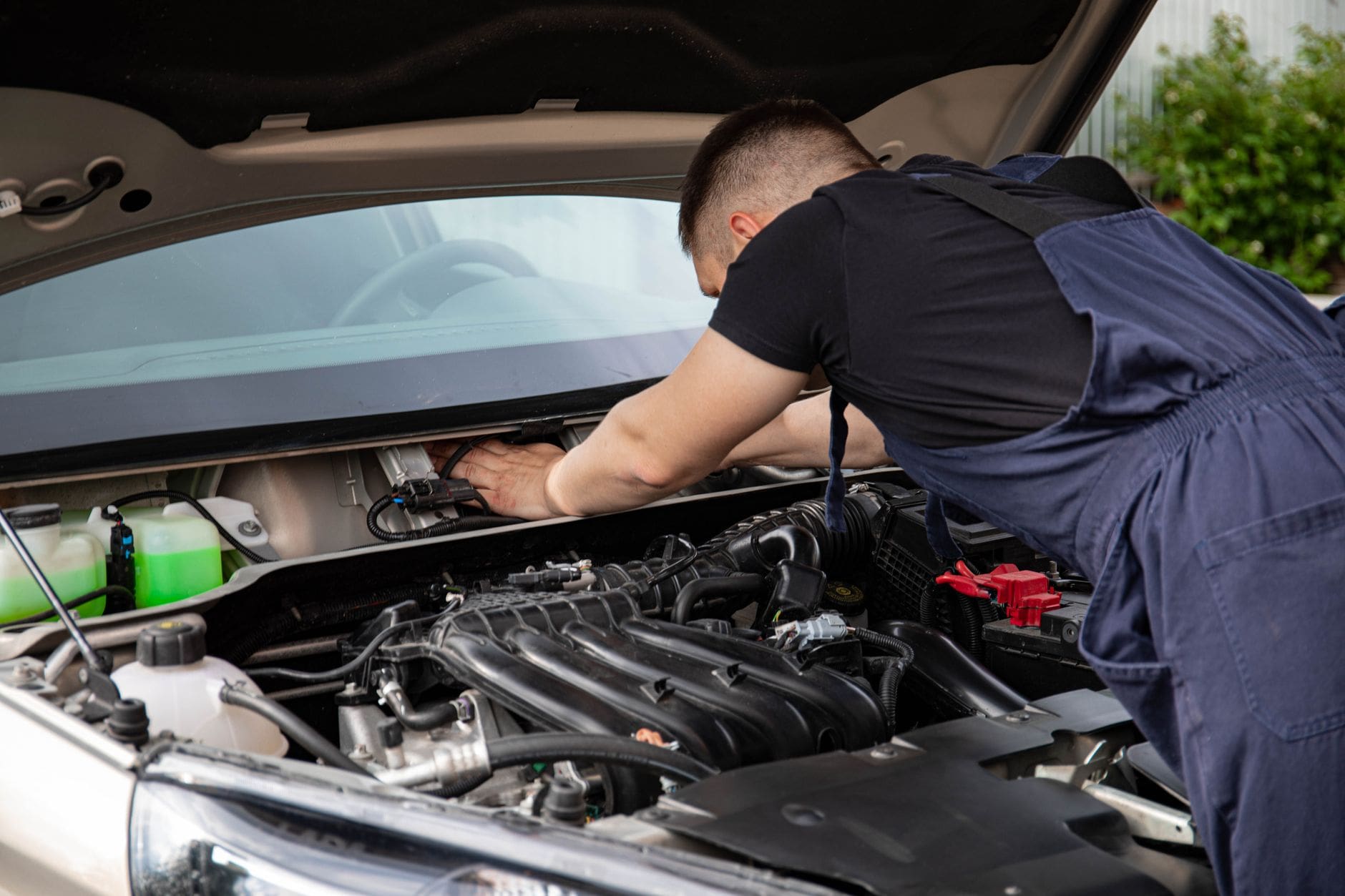
In most cases, short-term driving is possible. The car will run and will not immediately break down. However, open-loop fuelling is less efficient and less clean, and sustained rich running can damage the catalytic converter over time — turning a relatively inexpensive sensor replacement into a more costly job.
If your MOT is due within the next few months, have the sensor replaced before the test. A lambda fault code alone is enough for a major MOT defect, regardless of whether the car feels normal to drive.
Lambda Sensor Replacement Cost in the UK
| Item | Typical UK Cost | Notes |
|---|---|---|
| Upstream lambda sensor replacement | Priced per vehicle | Most common repair; includes sensor and fitting |
| Downstream lambda sensor replacement | Priced per vehicle | Slightly easier access on most cars |
| Both sensors replaced | Priced per vehicle | Worthwhile if both sensors are approaching end of lifespan |
| Diagnostic scan | Priced per vehicle | Confirms which sensor is at fault; rules out exhaust leaks or wiring issues |
Heated lambda sensors typically last 80,000–100,000 miles in normal use. Unheated sensors have a shorter lifespan of around 45,000 miles. If your car has not had a lambda sensor replaced and is approaching these mileages, a check is worthwhile.
Getting It Diagnosed at Star Garage Mansfield
We carry out a proper lambda diagnosis rather than replacing parts on guesswork. Our process includes:
- Full diagnostic scan to identify fault codes and confirm which sensor is affected
- Live data review — checking sensor switching frequency and voltage
- Visual check for exhaust leaks upstream of the sensor
- Explanation of findings before any work is agreed
Book a diagnostic inspection if your engine management light is on or your fuel economy has noticeably worsened. For other EML causes, our posts on EGR valve fault symptoms and catalytic converter faults cover the other common emissions-related issues.
Related reading: If your EML is on for a different reason, see our guides on MAF sensor fault symptoms and EGR valve fault symptoms for the other most common engine management causes.
Engine Management Light On? Let Us Find the Cause
Lambda sensor faults are quick to diagnose and relatively affordable to fix — before they become an MOT problem.
Book a diagnostic | Contact us
Call 01623 904724 — Star Garage Mansfield, NG19 9LF
Frequently Asked Questions
What are the symptoms of a faulty lambda sensor?
The main symptoms are an engine management light, noticeably worse fuel economy (typically 5–10 mpg), rough idle or hesitation under light throttle, a rich fuel smell from the exhaust, and MOT emissions failure. A scan returns codes in the P0130–P0167 range.
Will a faulty lambda sensor fail an MOT?
Yes. A failing upstream lambda sensor causes elevated CO and HC emissions that exceed UK MOT test limits. An illuminated EML caused by a lambda fault is also a major MOT defect — the car fails on both counts.
How much does lambda sensor replacement cost in the UK?
Upstream sensor replacement typically is priced on inspection including parts and labour at an independent garage. Both sensors replaced is priced on inspection. A diagnostic scan beforehand — priced on inspection — confirms which sensor has failed.
Can I drive with a faulty lambda sensor?
Short-term driving is possible, but the engine runs on open-loop fuelling — guessing the mixture rather than measuring it. This worsens economy, increases emissions, and over time can damage the catalytic converter. Resolve the fault before your MOT if it is approaching.
Need this looked at?
Describe the symptom and we’ll tell you whether it needs a diagnostic slot or a straight booking.
- 5.0 from 235 Google reviews
- Mon–Fri 08:30–18:00
- 2 Warsop Road, Mansfield Woodhouse