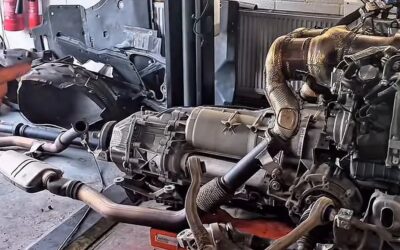
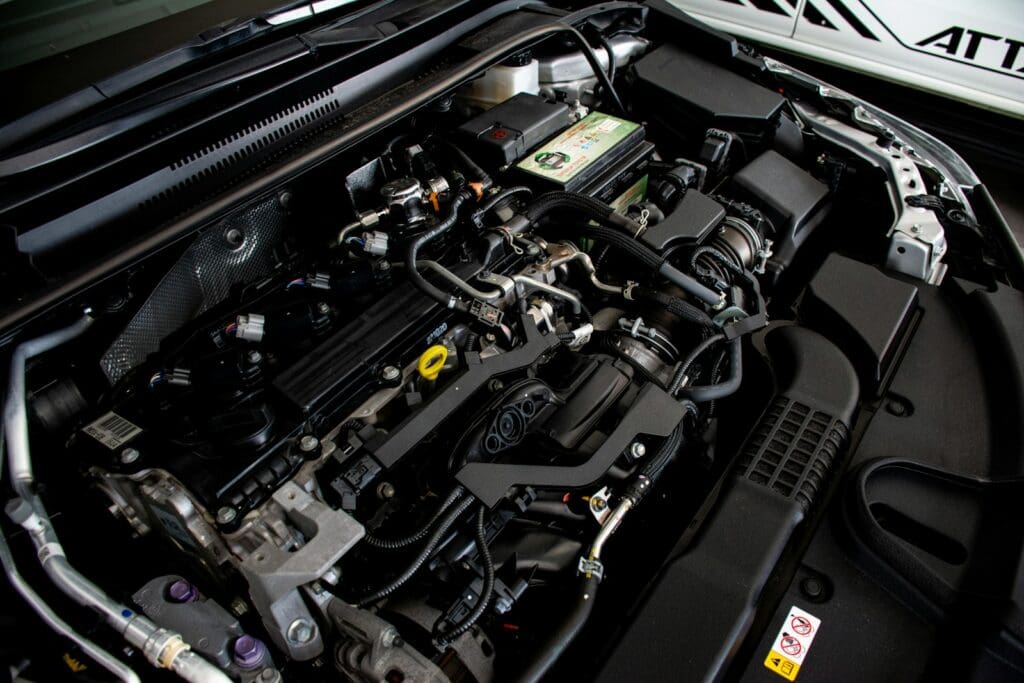
What a Timing Chain Actually Does
A timing chain keeps the crankshaft and camshaft in sync so the valves and pistons move at the correct time. Every diesel engine relies on this relationship to run smoothly. The pistons travel up and down, and the camshafts open and close the valves to let air in and exhaust gases out. The chain connects both parts and ensures everything stays coordinated.
Related reading: what an Ingenium 2.0 timing chain replacement costs and Jaguar & Land Rover Ingenium 2.0 engine problems.
Older diesel engines used thick, heavy chains that lasted many years. Modern engines use lighter, narrower chains to reduce weight, friction and emissions. While this improves efficiency, it also makes the system more sensitive to oil quality and servicing habits.
When the chain begins to stretch or wear, it throws the timing out and the engine control unit notices. Over time, this can lead to poor running, rattling noise or, in the worst case, a snapped chain.
If you want a deeper look at how timing chains work in general, our timing chain replacement page goes into more detail.
Why Modern Diesel Timing Chains Fail More Often
Many drivers are surprised to learn that modern diesels suffer more timing chain issues than older models. This is partly due to design changes. Modern chains are:
- Thinner and lighter.
- More sensitive to wear.
- Exposed to higher pressures in tighter engine bays.
- Placed at the rear of the engine on many models, making them difficult to check.
These changes aren’t faults. They help engines meet stricter efficiency rules. But it means the chain needs clean, high-quality oil and good tension to avoid early wear. When maintenance slips, the chain system suffers first.
Certain engines have gained a reputation for chain issues, including the BMW N47. If you own one of these, our BMW N47 timing chain problems article gives clear guidance on symptoms and repairs.
Poor Servicing and Long Oil Change Intervals
The biggest cause of timing chain wear on modern diesels is long oil change intervals. Manufacturers often recommend high-mileage intervals to keep running costs down, but diesel oil breaks down faster than many drivers expect—especially in cold UK conditions and short-trip driving.
When oil thickens, becomes contaminated or loses its ability to lubricate, the chain and guides are the first parts to suffer. The tensioner also relies on good oil pressure to do its job. Thick or dirty oil makes it slow to respond on cold starts, creating slack in the chain.
This problem builds gradually, and by the time a noise appears, the chain may already be stretched.
Low-Quality Oil and Wrong Specifications
Using oil with the wrong specification is another major cause of timing chain problems. Modern diesels often have advanced emissions systems (DPF, EGR, AdBlue) that require low-ash oil. Using a cheaper oil can cause:
- Poor lubrication on cold starts.
- Faster timing chain wear.
- Sludge build-up in the top of the engine.
- Reduced oil flow to the chain tensioner.
Chains rely on a steady flow of oil to stay lubricated. Using the wrong oil or skipping services can reduce that flow dramatically.
We see this regularly during strip-down work. Engines with mixed or low-grade oils often show early guide wear and inconsistent chain tension. A similar pattern was found on our Vauxhall Mokka oil pump chain case study, where poor servicing contributed to chain damage.
Chain, Guide and Tensioner Wear Explained
A timing chain setup includes several parts that wear over time. Each one plays a role in keeping the chain tight and correctly guided.
Timing Chain
The chain stretches over time. Even a few millimetres of elongation can put the timing out. This usually shows as a rattle on the first cold start of the day.
Chain Guides
These plastic or composite rails keep the chain on track. When the edges wear down, the chain begins to move more than it should, increasing the rattling sound and speeding up wear.
Tensioner
The tensioner keeps the chain tight. It relies heavily on oil pressure. If the tensioner becomes weak, the chain slackens on cold starts, leading to a tapping noise that gradually worsens.
Common causes of timing chain failure include:
- Poor servicing or skipped services.
- Wrong engine oil specification.
- Low oil pressure.
- Worn chain guides.
- Weak tensioners.
- High mileage with heavy stop-start driving.
- Debris or sludge blocking the oil feed to the tensioner.
Once several of these factors combine, the chain begins wearing faster than expected.
Early Warning Signs of Timing Chain Trouble
The early signs of a timing chain problem can be subtle. Many drivers overlook them because they disappear once the engine warms up. But early detection can save hundreds or even thousands in repair costs.
Typical warning signs include:
- Rattle on first start of the day.
- Metallic tapping noise from the top or rear of the engine.
- Engine management light relating to timing or camshaft correlation.
- Slow or uneven starting.
- Loss of performance or hesitation.
- Metal particles in the oil.
- Poor fuel economy.
- Oil pressure warnings.
Even if the noise stops after a few seconds, it’s still a sign that the chain is no longer tight enough on cold starts. The tensioner takes time to build oil pressure, and that delay creates slack.
What Happens If a Timing Chain Snaps?
If a timing chain fails completely, the engine loses synchronisation instantly. The pistons continue moving, but the valves stay open. This leads to contact between valves and pistons, causing severe internal damage.
A chain snap usually results in:
- Bent valves.
- Cracked or marked pistons.
- Broken rockers and followers.
- Slipped or damaged camshafts.
- Metal debris throughout the timing case.
Repairing this type of damage can involve a full top-end rebuild or, in some cases, a complete replacement engine. This is why early diagnosis matters so much. A slight cold-start rattle can be the first step in a chain that eventually fails.
How We Diagnose Timing Chain Issues at Star Garage Mansfield
We avoid guesswork. Every timing chain inspection starts with a clear process designed to pinpoint whether the issue is mechanical or sensor-related.
Our diagnosis usually includes:
- Listening for cold-start chain noise.
- Checking live data for camshaft/crankshaft correlation issues.
- Inspecting the chain and tensioner through access points.
- Checking oil pressure and oil condition.
- Looking for debris or metal flakes in the filter.
- Confirming chain slack with manual rotation where safe.
Once we know the exact cause, we explain the options to the customer. Some chains only need a tensioner, while others require a full kit including guides and a new chain.
For engines like the BMW N47, we follow extra steps due to their known sensitivity to chain wear. You can read more in our BMW N47 timing chain problems article.
When to Book a Timing Chain Inspection
You don’t need to wait for the engine to rattle constantly. Even small changes in sound, start-up behaviour or fuel economy can point to chain issues. If you catch these faults early, repairs are usually simpler and cheaper.
Good habits to extend timing chain life include:
- Regular oil changes using high-quality oil.
- Shorter intervals for short-trip or city driving.
- Using the correct oil type for your engine.
- Addressing engine management lights promptly.
- Checking chain condition during major servicing.
If you want to see how chain and pump failures interact, our Vauxhall Mokka oil pump chain case study is a good example.
If you notice any of the issues mentioned in this article, it’s worth booking a timing chain inspection. A trained technician can tell you whether the chain is just starting to wear or if it needs immediate attention.
FAQ
Are timing chains supposed to last the life of the engine?
In theory, yes. But modern diesel designs and long service intervals mean many chains wear earlier than expected.
Is a cold-start rattle always a timing chain issue?
Not always. It can also be lifter noise or low oil pressure. A diagnostic check can confirm the cause.
Can poor servicing really cause chain failure?
Yes. Dirty or degraded oil speeds up guide wear, increases slack and affects the tensioner.
Do some diesel engines suffer chain problems more than others?
Yes. Engines like the BMW N47 or certain Mercedes and Vauxhall diesels are more sensitive to servicing habits.
How long does a timing chain replacement take?
It varies. Some engines take a day, while others require engine removal and take several days.
Will replacing the tensioner fix a worn chain?
Sometimes, but not always. If the chain is already stretched, a full kit is usually needed.
Can a timing chain failure be prevented?
Regular oil changes with the correct oil, plus early diagnosis of noises and warning lights, can significantly reduce risk.
Book a Timing Chain Check
If your diesel engine is rattling, showing timing codes or behaving differently on cold starts, call 01623 904724. Early diagnosis can prevent serious engine damage and keep your vehicle running smoothly.
Need this looked at?
Describe the symptom and we’ll tell you whether it needs a diagnostic slot or a straight booking.
- 5.0 from 235 Google reviews
- Mon–Fri 08:30–18:00
- 2 Warsop Road, Mansfield Woodhouse