
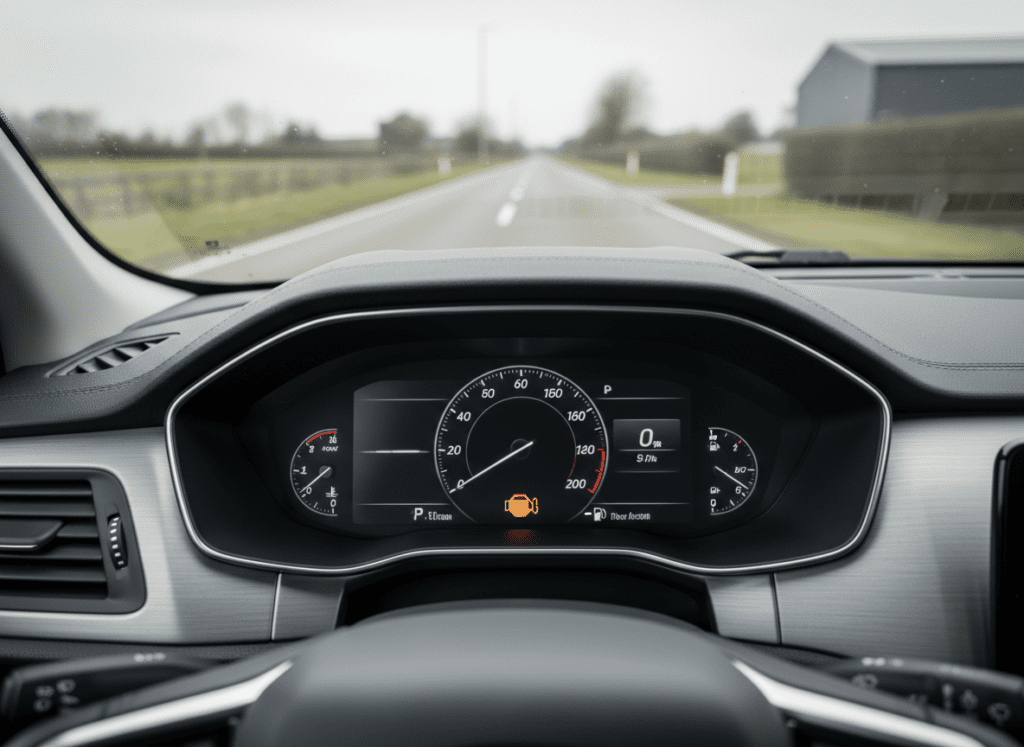
ECU remapping is one of the most talked-about upgrades for modern cars. Done correctly, using professional equipment and experienced technicians, it can genuinely improve how your car drives. Done carelessly, it causes problems.
This guide explains what a remap actually involves, what results are realistic, and why the equipment and the garage both matter.
Contents
What Is ECU Remapping?
Every modern car has an Engine Control Unit — the ECU. It is essentially the brain of the engine. It controls fuel injection, ignition timing, boost pressure on turbocharged cars, rev limiters, torque limits, and dozens of other parameters that determine how the engine performs.
When a manufacturer calibrates the ECU, they are not targeting peak performance. They are balancing performance against fuel economy, emissions compliance, reliability across different markets, and legal restrictions that vary by country. The result is a map that leaves a measurable amount of performance unrealised.
ECU remapping means reading the existing map from the ECU, modifying specific parameters, and writing the revised map back. A professional remap is not guesswork — it works from the car’s actual data and targets specific improvements within safe operating limits.
What Actually Gets Changed in the ECU?
A remap does not change everything inside the ECU. It targets specific parameters that affect performance and efficiency.
Boost Pressure (Turbocharged Cars)
On turbo engines, the ECU controls how much boost the turbocharger delivers. Manufacturers typically set this below the engine’s safe maximum. A remap raises boost to the point the engine can safely handle — no further.
Fuel Injection Timing and Duration
When fuel is injected and how much is injected affects combustion efficiency. Adjusting these values improves the burn cycle, which can increase power and reduce fuel consumption at the same time.
Ignition Timing
Advancing ignition timing means the spark plug fires slightly earlier, which allows more complete combustion. Done within the limits of the fuel grade and engine design, this improves power delivery.
Torque Limiters
Many manufacturers cap torque artificially in the ECU — sometimes to protect the gearbox in lower-spec models, sometimes to create product differentiation across their range. A remap removes or raises these software caps where the drivetrain can safely support it.
Rev Limiters and Throttle Maps
Throttle response maps can be softened or sharpened. Rev limiters can be adjusted within safe engine limits. Both affect how immediate and progressive the power delivery feels.
Types of Remap: Stage 1, Stage 2, and Custom
Stage 1
A Stage 1 remap modifies the ECU map without requiring any hardware changes to the car. It works with the standard air intake, exhaust, intercooler, and fuel system. This is the starting point for most remaps.
For most turbocharged diesels and petrol engines, Stage 1 delivers the best balance of gains versus cost. No parts need replacing. The car stays standard in every mechanical respect.
Stage 2
A Stage 2 remap is written to work alongside specific hardware upgrades — typically a higher-flow exhaust system, upgraded intercooler, or modified induction. You cannot simply apply a Stage 2 map to a standard car and expect safe results. The map must be matched to the hardware changes in place.
Stage 2 is suited to drivers who want a more significant performance increase and are willing to combine the remap with physical modifications.
Custom Tuning
For highly modified or track-focused cars, a fully custom map is developed using data logging during real driving or on a rolling road. This approach is more time-intensive but produces the most precise results for cars with non-standard builds.
What Realistic Gains Look Like
Numbers vary significantly by engine type, existing specification, and the quality of the calibration. These are typical ranges for Stage 1 remaps:
| Engine Type | Power Gain (Typical) | Torque Gain (Typical) | Fuel Economy |
|---|---|---|---|
| Turbocharged diesel | 20–40 bhp | 40–80 Nm | Possible improvement with steady driving |
| Turbocharged petrol | 15–35 bhp | 30–60 Nm | Neutral to slight improvement |
| Naturally aspirated petrol | 5–10 bhp | 5–15 Nm | Minimal change |
Naturally aspirated engines respond less dramatically to remapping because there is no boost pressure to increase. Turbocharged engines — especially modern common-rail diesel engines — tend to respond most noticeably.
The gains you feel in normal driving are often more significant than raw numbers suggest. Mid-range torque improvements make overtaking, motorway merging, and loaded driving noticeably easier.
Why the Equipment Matters
Not all remapping equipment is equal. The quality of the connection between the tuning tool and the ECU affects safety and precision.
Professional-grade equipment like the Alientech Kess V3 is designed for this purpose. It reads and writes ECU data accurately, with built-in safeguards that reduce the risk of errors during the process. It is the same equipment used by specialist tuning companies across Europe.
Cheaper or outdated tuning hardware carries more risk during the read/write process. An interrupted or corrupted flash can damage or brick the ECU — an expensive problem.
When choosing where to get a remap, checking what equipment a garage uses is a reasonable first question. Professional tools are not a guarantee of a good outcome on their own, but unprofessional tools are a warning sign.
Is Remapping Safe?
A properly carried out Stage 1 remap on a well-maintained car, using professional equipment, is considered safe for the vast majority of vehicles. Reputable tuners do not exceed what the engine hardware can support.
Where remapping becomes risky:
- Car is not in good mechanical condition — a remap on an engine with worn injectors, a tired turbo, or clogged fuel system will expose those weaknesses faster
- Map is not calibrated for the specific car — generic maps that are not adjusted per vehicle are less precise
- Extreme maps beyond hardware limits — pushing power far beyond what the standard drivetrain can handle increases wear and failure risk
- Poor quality tuning equipment — increases the small but real risk of an ECU flash error
We always recommend having a diagnostic check before remapping. If there are active faults or underlying engine issues, those should be resolved first.
Is ECU Remapping Legal in the UK?
ECU remapping is legal in the UK for road use, with a few important exceptions.
- Emissions systems: It is illegal to disable or remove emissions-related systems — DPF, EGR, SCR/AdBlue — to pass an MOT. A remap that tampers with these systems will likely cause an MOT failure and could constitute fraud
- Insurance: A remap that changes power output is a modification and must be declared to your insurer. Failure to do so risks a voided policy. Some insurers increase premiums; others do not. Always inform your insurer
- Warranty: Remapping typically voids the manufacturer’s powertrain warranty if the car is still under it. If your car is out of warranty, this is not usually a concern
A legitimate remap that improves performance without removing emissions equipment is fully legal to drive on UK roads.
Who Should Consider a Remap?
ECU remapping suits drivers who want more from their car without changing it mechanically. Common reasons people book a remap include:
- Wanting noticeably better mid-range power for motorway driving
- Carrying loads or towing and wanting improved pulling power
- Finding a diesel feels sluggish and wanting smoother, more responsive delivery
- Wanting a modest performance improvement without fitting aftermarket parts
Remapping is usually less suited to cars with significant mechanical wear, very high mileage engines approaching end of life, or cars with active unresolved faults. Get the car into sound mechanical condition first.
Conclusion
ECU remapping is a legitimate and effective way to improve your car’s performance, torque delivery, and — in some cases — fuel efficiency. The results depend on the engine type, the quality of the calibration, and the condition of the car going in.
Professional equipment, an honest assessment of your car’s condition beforehand, and a calibration matched to your specific vehicle are what separate a good remap from a risky one. If you are considering a remap, talk to a specialist before committing.
If reading this has you weighing up buying your own hardware rather than sending work out, we have written a straight comparison of which tuning tool to buy, covering coverage, subscriptions and the master-versus-slave decision.
Thinking About a Remap? Get an Honest Assessment First
We will tell you whether your car is a good remap candidate, what gains are realistic, and what the process involves. No pressure — just straight answers.
Frequently Asked Questions
Will a remap void my car’s warranty?
If your car is still under manufacturer warranty, a remap that alters power output is likely to void the powertrain warranty. If the car is out of warranty, this is generally not a concern. Always check with your manufacturer or dealer if you are unsure.
Do I need to tell my insurer about a remap?
Yes. A remap that changes power output is a modification. You must declare it to your insurer. Failure to do so risks invalidating your policy. Most insurers accept remaps, though some may adjust premiums.
How long does an ECU remap take?
A standard Stage 1 remap typically takes 1–2 hours. This includes the diagnostic check beforehand, the read, calibration, and write process, and a final check. Most cars can be done in a single visit.
Can a remap be reversed?
Yes. A professional remap stores the original map before making changes. If you ever want to return to factory settings — before a warranty claim or sale — the original map can be restored.
Will a remap fix fault codes or warning lights?
No. A remap modifies performance parameters — it does not diagnose or fix mechanical faults. If your car has warning lights or active fault codes, have those diagnosed and resolved before considering a remap.
Located in Mansfield Woodhouse, Mansfield. Serving drivers across Mansfield, Worksop, Chesterfield, and Nottingham. Open Monday–Friday, 8:30 AM to 6:00 PM. Phone: 01623 904724
Need this looked at?
Describe the symptom and we’ll tell you whether it needs a diagnostic slot or a straight booking.
- 5.0 from 235 Google reviews
- Mon–Fri 08:30–18:00
- 2 Warsop Road, Mansfield Woodhouse