
The classic carbon build up direct injection symptoms are a rough idle, hesitation, misfire codes and a car that is hard to start, and they creep in so slowly that most drivers just get used to them. This guide explains why direct injection engines collect carbon, which symptoms point to it, and which other faults feel exactly the same.
Quick Answer
Why Direct Injection Engines Collect Carbon
On an older port-injected petrol engine, fuel is sprayed into the intake port, behind the valve. That spray washes over the back of the valve on every cycle. Direct injection moves the injector into the cylinder, so the fuel never touches the intake valves. A general reference on gasoline direct injection says the lack of this valve-cleaning action can cause increased carbon deposits.
So what does land on the valves? One technical library on intake valve deposits points to fuel and oil vapour and carbon particles routed back through the crankcase ventilation system, and to oil seeping past the valve guide seals and burning on the hot valve. Because there is no fuel wash, the detergents in petrol cannot clear it.
The mix is not just one thing. An SAE International paper by Guinther and Smith of Afton Chemical found that intake valve deposits in GDI engines form from a combination of engine oil, engine-wear elements, unburned fuel and exhaust contaminants, and that the rate of build-up is affected by the engine lubricant. In plain terms, it is baked-on grime, which is why it does not simply dissolve.
Watch one we did:
The video loads once you allow “Maps and videos” in the cookie banner.
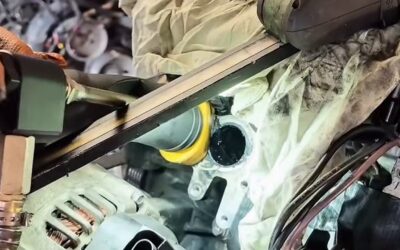
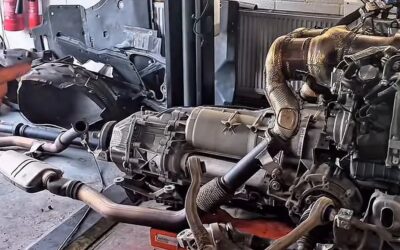
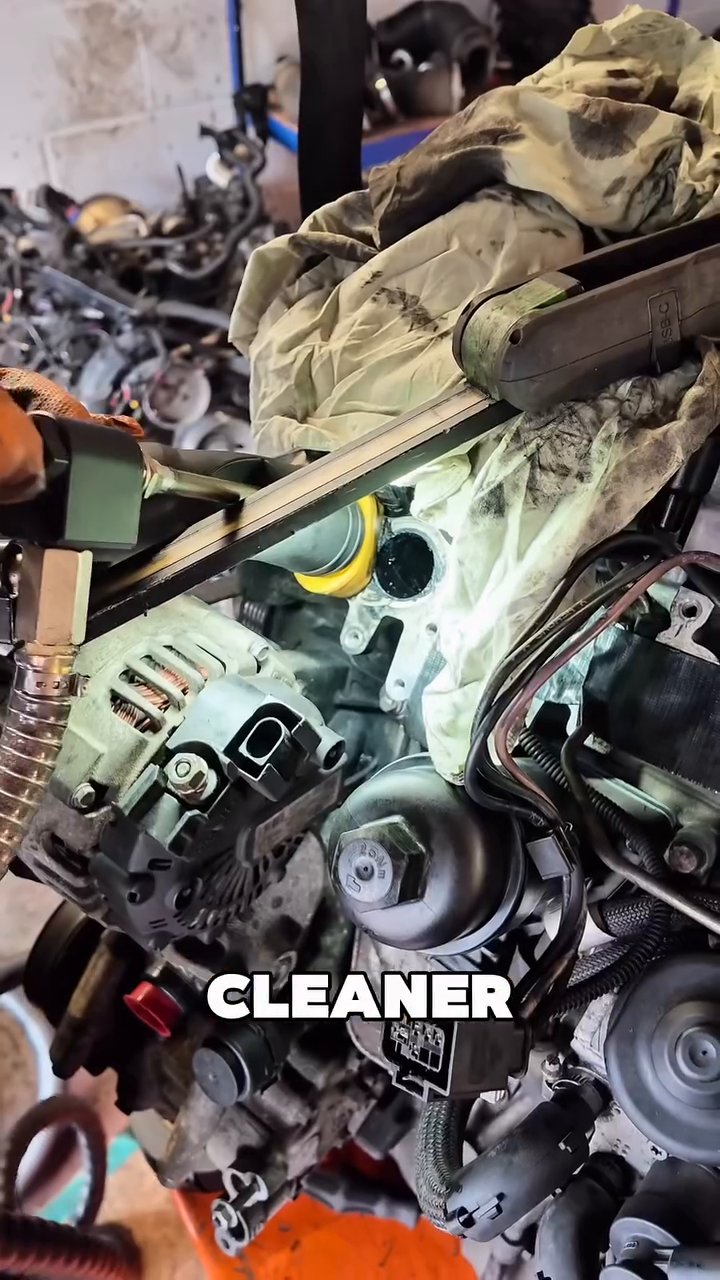
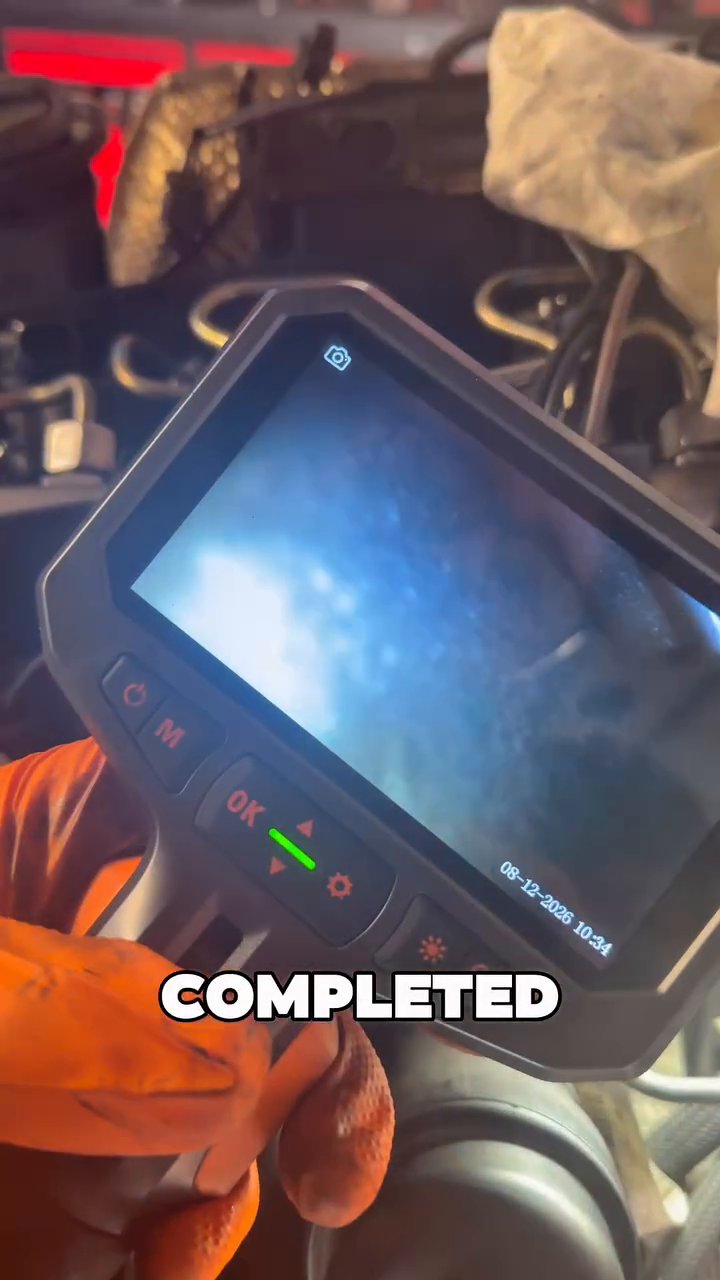
Here is one we did in our workshop. It is a Mazda 2.2 SKYACTIV diesel, which is a different engine type from the petrol ones above, but the principle is the same: the intake side fills up with carbon and the engine stops breathing as it should. The video starts with a camera inside the intake and finishes with it showing clean metal. We walk through the whole job in why we clean engines with crushed walnut shells.
The Symptoms, in the Order Drivers Usually Notice Them
The effects of carbon build-up are gradual and often subtle to start. A trade article from PMM on carbon build-up in GDi engines lists reduced power, rough idle, hard cold starts, misfires, pinging under acceleration and poorer economy. The technical library above adds hesitation, stumbling and hard starting. Putting those together, this is the pattern we would watch for:
- A lumpy idle, often worst straight after a cold start.
- Hesitation or a flat spot when you pull away or accelerate gently.
- Misfire codes that keep coming back, sometimes on different cylinders.
- Hard starting when the engine is cold.
- A slow loss of power and economy with no single moment you can point to.
Most of these do not light a warning on their own. That is why the car feels a little worse each month and nobody notices until it is quite bad.
What Else Feels Exactly the Same
This is the part most guides skip. Every symptom above has other common causes, and the technical library notes that a misfire code can have several. Cleaning carbon off an engine that did not need it is wasted money, so these are the usual look-alikes.
| What you notice | Other common causes | Our related guide |
|---|---|---|
| Rough idle or misfire codes | Worn spark plugs, failing coils, a leaking injector, a vacuum leak | Engine management light on but car drives fine |
| Hesitation when accelerating | Sensor faults, fuelling or air-flow problems | Car hesitation when accelerating |
| Loss of power and economy | A faulty air-flow sensor or a restricted intake | MAF sensor fault symptoms |
| Diesel soot and a sluggish feel | A clogged EGR valve | Faulty EGR valve symptoms |
That is why we start with proper diagnostics: fault codes and live data first, then a look inside the intake with an inspection camera before anything comes apart. The camera is the honest part. It shows how much carbon is really there, so you are not paying for a clean the engine does not need. Our car diagnostics page explains how it works.
Diesels Get It Too, by a Different Route
Direct injection is not only a petrol story. Diesels inject straight into the cylinder as well, and many also feed exhaust gas back into the intake to cut emissions. A reference on exhaust gas recirculation notes that exhaust gas mixed with oil vapour from the crankcase ventilation can build up sticky tar in the intake manifold and valves, and that an EGR valve can become clogged with carbon.
The Mazda in the video is one example. We have a separate guide to the Mazda 2.2 Skyactiv carbon build-up problem, and a before and after write-up of the clean.
Some Engines Are Less Affected
Not every direct injection engine suffers equally. Some combine direct and port injection, so a second injector sprays fuel onto the back of the valves. The gasoline direct injection reference says Toyota’s 2005 2GR-FSE was the first to combine direct and indirect injection, and that the manifold injectors help to clean carbon deposits from the intake system. If your car is built that way, carbon is less likely to be the answer, and we will tell you so rather than sell you a clean.
What Actually Fixes It
The technical library describes an escalating ladder. Start with an induction cleaner sprayed into the intake with the engine running, and note that you may have to repeat it more than once. If the deposits are too thick, the intake comes off and the valves are cleaned directly. Where chemical cleaning does not work, the next step is blast cleaning with soft media such as walnut shells, and the last resort is removing the cylinder head. It also says detergent fuel additives have almost no effect on removing intake valve deposits in GDI engines.
Our view follows from that. Do not start with an additive. Diagnose first, and if the camera shows hard, baked-on carbon, a physical clean with the intake off is the job that works. Light deposits are a different matter, and where each method fits is a separate question that we cover in a comparison of walnut blasting and induction cleaner sprays. Details of the clean itself are on our walnut blasting service page.
Frequently Asked Questions
What are the symptoms of carbon build-up on a direct injection engine?
Typically a rough idle, hesitation, misfire codes, hard cold starting, pinging under acceleration and a gradual loss of power or fuel economy. They develop slowly and rarely light a warning on their own, and other faults can cause the same symptoms.
Do diesel engines get carbon build-up too?
Yes. Diesels use direct injection and often recirculate exhaust gas, which mixed with oil vapour can leave sticky tar and carbon in the intake manifold and valves. Our Mazda 2.2 Skyactiv guide covers one well-known example.
Can a fuel additive remove carbon from the intake valves?
On a direct injection engine, fuel never touches the intake valves, so tank additives cannot reach them. One technical library says detergent additives have almost no effect on intake valve deposits in GDI engines.
How do you know if the intake valves are dirty?
You cannot tell from the driver’s seat, because other faults feel the same. A garage reads the fault codes and live data, rules out the simpler causes, and can then look inside the intake with an inspection camera.
Engine Feeling Flat or Running Rough?
If your car shows these symptoms, get it checked before the build-up gets worse.
Book a Check With Star Garage Mansfield
Start with car diagnostics, or see our walnut blasting service. Message us with your registration and we will tell you what your engine needs.
Call 01623 904724 — Star Garage Mansfield
Need this looked at?
Describe the symptom and we’ll tell you whether it needs a diagnostic slot or a straight booking.
- 5.0 from 235 Google reviews
- Mon–Fri 08:30–18:00
- 2 Warsop Road, Mansfield Woodhouse