
When the choice is walnut blasting vs chemical clean, it comes down to how hard the carbon is. A can of induction cleaner is cheap and quick, and it can help with a light film. Thick, baked-on carbon is a different problem. Here is what each method does, where each one runs out, and how to choose without wasting money.
Quick Answer
What an Induction Cleaner Spray Does
An induction cleaner is a chemical sprayed into the intake while the engine runs, so it passes over the valves and ports and softens the deposits. A technical library on intake valve deposits in GDI engines describes it as the first thing to try. It notes that, depending on how dirty the valves are and how effective the chemical is, the process can take 10 to 20 minutes or more, and that you may have to repeat it more than once to remove the deposits completely.
That is a fair description of the method. It is quick, it needs no strip-down and it can be a sensible first step when symptoms are mild. The catch is the word if: it depends on the deposits being soft enough for a chemical to shift.
What Walnut Blasting Does
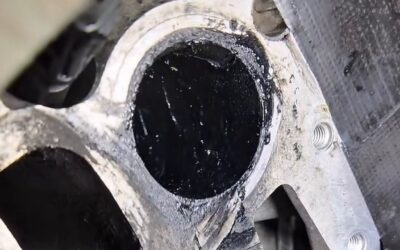
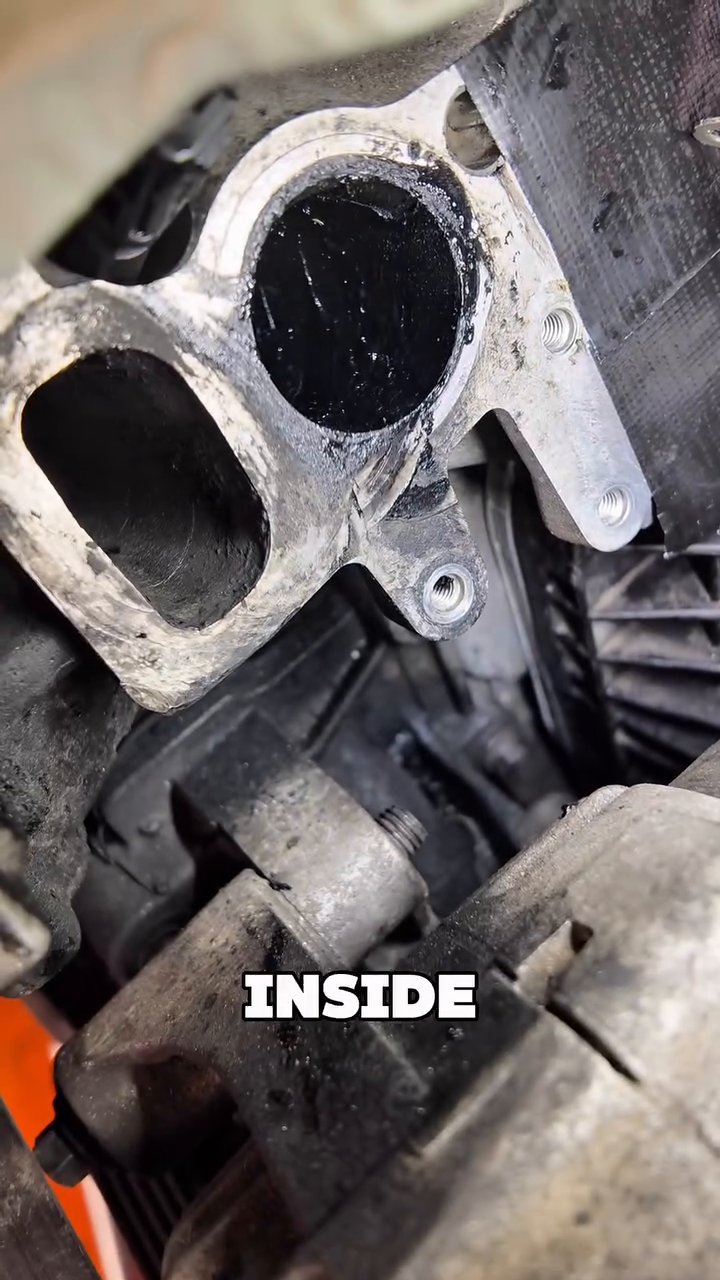
Walnut blasting is mechanical. With the intake off, crushed walnut shell is blown into each intake port and vacuumed back out, chipping the carbon away. The shell is hard enough to strip carbon but soft enough not to damage the metal beneath. The same library lists walnut shells, baking soda and plastic beads as the soft media used for blast cleaning, and warns against ever using hard media such as sand, glass bead or metal beads.
It also describes the sensible preparation: clean with the valves closed, and seal or tape the other openings in the engine so no media gets where it should not. A proper job is careful rather than brute force. You can see the process in our walnut blasting workshop write-up.
Watch one we did:
The video loads once you allow “Maps and videos” in the cookie banner.
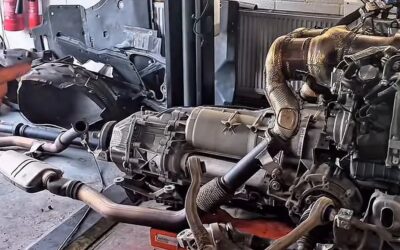
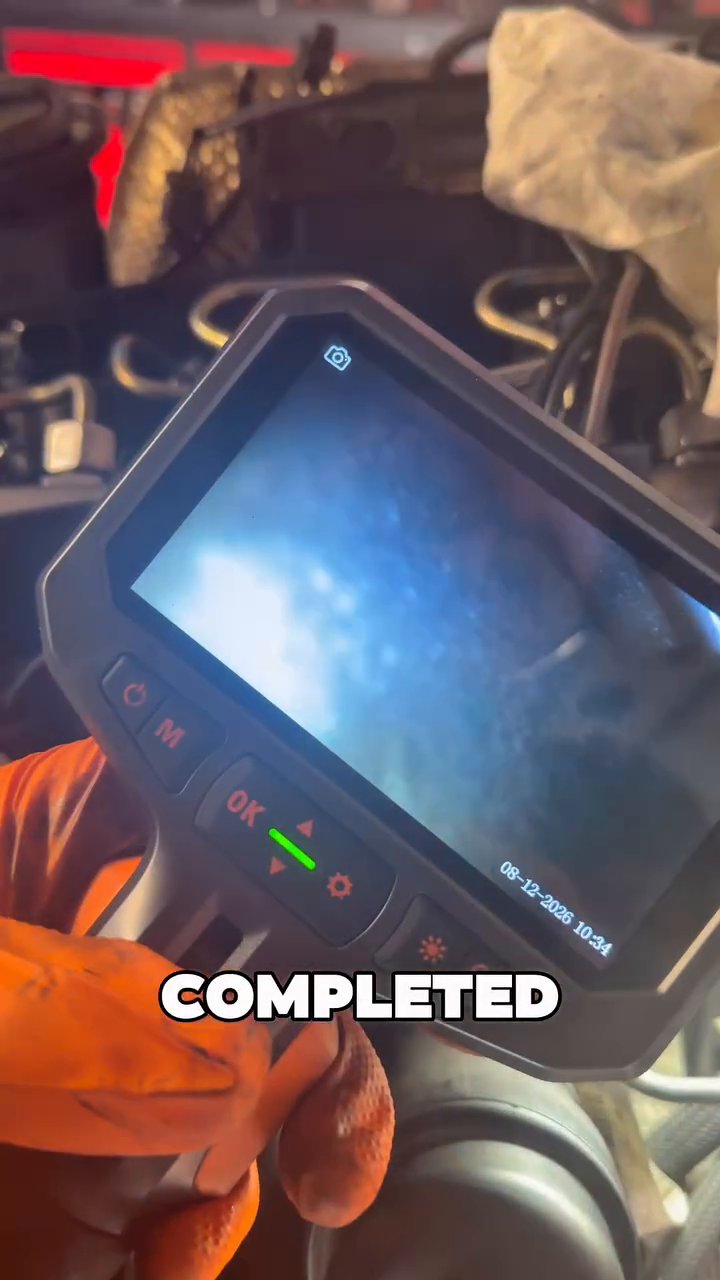
That is one we did on a Mazda 2.2 SKYACTIV diesel. The inspection camera goes in first, the intake parts come off, the ports are blasted with everything out of the way, and the camera goes back in to show the result.
Side by Side
| Induction cleaner spray | Walnut blasting | |
|---|---|---|
| How it works | Chemical sprayed into the intake with the engine running | Soft shell media blasted into the ports with the intake removed |
| Best for | Mild symptoms and light deposits | Thick, hard, baked-on carbon |
| Strip-down needed | No | Yes, the intake comes off |
| Repeat treatments | May need repeating, according to the technical library | Removes the carbon with the intake out of the way |
| Main limit | Chemicals may not shift hard deposits | Needs care: soft media only, valves closed, openings sealed |
| Can you see the result? | Not without a camera | Yes, with an inspection camera before and after |
Why a Spray Struggles on Hard Carbon
The reason is what the carbon is made of. An SAE International paper by Guinther and Smith of Afton Chemical found that intake valve deposits in GDI engines form from a combination of engine oil, engine-wear elements, unburned fuel and exhaust contaminants. Oil and exhaust residue that has baked onto a hot valve over time is not the same as a light film of fuel residue.
The technical library points the same way. It says that if the deposits are so thick and hard that chemical cleaning does not work, you can try blast cleaning the valves. In other words, even the source that suggests a spray first treats blasting as the answer when the spray fails.
What About Additives in the Fuel Tank?
This is the cheapest option and the one least likely to work on a direct injection engine. Fuel is injected into the cylinder, so it never passes over the intake valves. The technical library says detergent additives have almost no effect on preventing or removing intake valve deposits in GDI engines. A bottle in the tank cannot reach a place the fuel does not go.
On a diesel the picture is similar, with the added issue that exhaust gas recirculation feeds soot into the intake. A reference on exhaust gas recirculation notes it can build sticky tar in the intake manifold and valves with oil vapour. Our guide to the Mazda 2.2 Skyactiv carbon build-up explains why a physical clean is the sensible answer on a badly affected engine.
How to Choose
Our view is simple: look before you spend. These steps keep it sensible.
- Confirm it is carbon. Rough idle, hesitation and misfire codes also come from plugs, coils, injectors and air leaks. Our guide to the engine management light and our car diagnostics service cover the checks.
- Look inside. An inspection camera shows whether you have a light film or a hard crust.
- Light film: a spray is a reasonable thing to try first, as the technical library suggests, accepting it may need repeating.
- Hard crust, or symptoms that return after a spray: a physical clean is the job that works.
A garage that wants to blast without looking, or sell you a spray without checking, is guessing. We would rather show you the camera footage. Details of our own approach are on our walnut blasting service page.
Frequently Asked Questions
Is walnut blasting better than a chemical clean?
For thick, hard carbon, yes: it removes the deposits physically. A chemical induction clean is a reasonable first step for light deposits, but a technical library notes it may need repeating and that blast cleaning is the next step when chemicals do not work.
Do induction cleaner sprays work on direct injection engines?
They can help with light deposits because they are sprayed into the intake and pass over the valves. They may not shift thick, baked-on carbon, and the process may need repeating.
Does fuel additive cleaner remove carbon from intake valves?
Not on a direct injection engine. Fuel is injected into the cylinder and never touches the intake valves, and one technical library says detergent additives have almost no effect on intake valve deposits in GDI engines.
Can walnut blasting damage an engine?
The media is soft, so it is designed not to harm the metal, but the job needs care. A technical library says to clean with the valves closed, seal the other openings and never use hard media such as sand, glass bead or metal beads. That is why a careful garage matters.
Not Sure Which Clean Your Engine Needs?
Let us look inside first and show you what is actually there.
Book a Check With Star Garage Mansfield
Start with car diagnostics, or see our walnut blasting service. Message us with your registration and we will tell you what your engine needs.
Call 01623 904724 — Star Garage Mansfield
Need this looked at?
Describe the symptom and we’ll tell you whether it needs a diagnostic slot or a straight booking.
- 5.0 from 235 Google reviews
- Mon–Fri 08:30–18:00
- 2 Warsop Road, Mansfield Woodhouse